De-Mystifying Intellectual Property: What the Different Types of IP Actually Protect
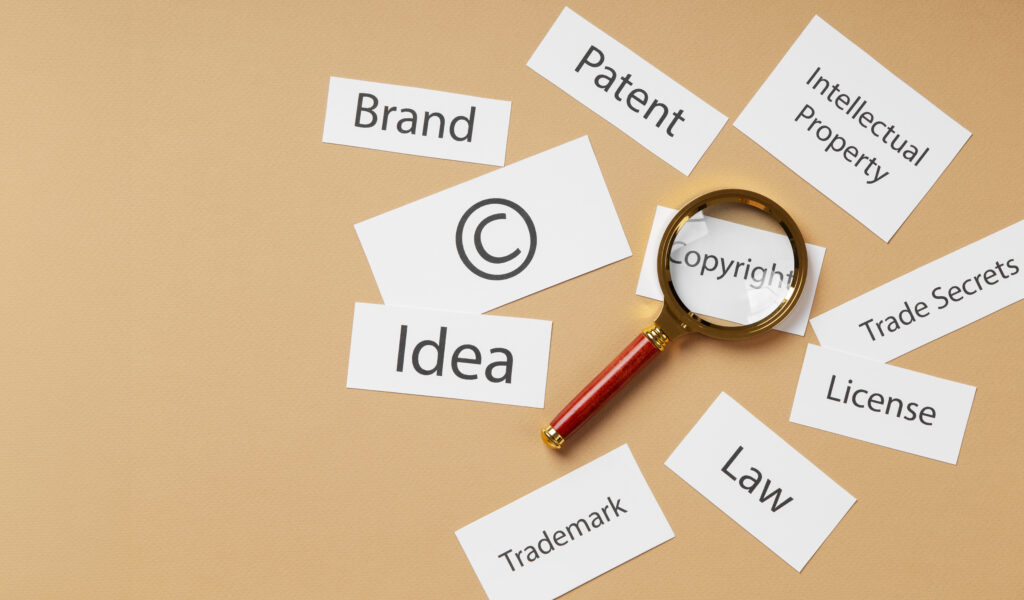
Intellectual property law is often spoken about as though it is one broad concept. Patents, trade marks, copyright and designs are frequently grouped together under the general banner of “IP”. In reality, however, each form of protection serves a very different purpose.
A business name, a logo, a product design, software code, packaging, a technical process, or even the shape of a product may all be valuable assets, but they are not protected in the same way. Understanding the distinction matters. Choosing the wrong form of protection can be costly, while the right strategy can strengthen brand value, support growth, and create long-term commercial advantage.
Trade Marks: Protecting Brand Identity
Trade marks protect the features that distinguish one business from another.
This typically includes:
-
- business names
- product names
- logos
- slogans
- and, in some cases, colours, shapes, sounds, or other distinctive indicators
Trade mark protection is fundamentally about reputation and recognition. It protects the identity customers associate with your business and helps prevent competitors from benefiting from the goodwill you have built in the market.
If the value lies in how the public identifies your brand, trade mark protection is usually the appropriate starting point.
Importantly, trade marks do not protect the underlying product or idea itself. They protect the branding attached to it.
Copyright: Protecting Original Creative Work
Copyright protects original works created through a person’s own skill, effort and creativity.
Unlike some other forms of intellectual property, copyright generally arises automatically once the work is created and recorded in some form. There is no formal registration process in South Africa, which makes proper record-keeping particularly important when disputes arise.
Copyright can protect:
-
- written content
- software code
- marketing material
- photographs
- videos
- music
- artwork
- website content
- presentations and training manuals
What copyright protects is the expression of an idea, not the idea itself.
For example, a person cannot copyright the general concept for an app, but they can protect the source code, graphics, text, and creative content that make up the application. Similarly, no one owns the idea of a romantic comedy set in a vineyard, but the screenplay itself may be protected.
Registered Designs: Protecting Appearance and Functional Form
Design registrations are often overlooked, despite being one of the more commercially practical forms of protection available.
In South Africa, registered designs are divided into two categories: aesthetic designs and functional designs.
Aesthetic Designs
An aesthetic design protects the visual appearance of a product, namely the features judged solely by the eye.
This may include:
-
- shape
- configuration
- pattern
- ornamentation
- surface decoration
The focus here is visual appeal and product identity.
Functional Designs
Functional designs protect features of shape or configuration that are driven by the function the product performs.
This does not protect the underlying invention in the same way a patent does. Instead, it protects the functional form of the product itself.
Examples may include:
-
- an ergonomic handle shape
- the grip configuration of a bottle cap
- the shape of a medical device component
- hardware casing designed for specific performance requirements
In simple terms:
-
- an aesthetic design protects how something looks
- a functional design protects how its shape enables what it does
From a commercial perspective, design registrations are often significantly more cost-effective than patents and can offer valuable protection where product differentiation lies in appearance, usability, or external form.
Patents: Protecting Technical Innovation
Patents protect new and inventive technical solutions.
This may include:
-
- products
- processes
- machinery
- technical methods
- improvements to existing technology
For patent protection to apply, the invention generally needs to be new, inventive, and capable of industrial application.
Patents are often viewed as the highest form of IP protection, but they are not always the most commercially appropriate solution.
Patent protection can be expensive, time-consuming, and highly technical. In rapidly evolving industries, particularly software, AI, SaaS, and digital technologies, the pace of innovation can sometimes outstrip the patent process itself.
By the time a patent application has been drafted, filed, examined, and granted across multiple jurisdictions, the technology may already have evolved substantially.
That does not diminish the value of patents. In the right circumstances, they can be exceptionally valuable, particularly where:
-
- the technology has a long commercial lifespan
- there is meaningful technical innovation
- exclusivity provides a competitive advantage
- the IP forms part of the business’s core enterprise value
The key is that patent protection should be approached strategically, not automatically.
In many cases, businesses may be better served by a combination of copyright, design protection, confidentiality measures, rapid market execution, and strong branding.
A Strong IP Strategy Often Involves More Than One Right
A single product or business may involve multiple layers of intellectual property protection at the same time.
For example:
-
- the brand name may be protected by a trade mark
- the product technology by a patent
- the packaging shape by a registered design
- the software or written content by copyright
These rights do not compete with one another. They often work together.
The real value lies in understanding which form of protection applies to which aspect of the business, and developing a strategy that aligns with both the commercial objectives and the nature of the asset itself.
Effective intellectual property protection is rarely about filing everything possible. It is about protecting the right things, in the right way, at the right time.
If you would like guidance on protecting your intellectual property or developing an IP strategy tailored to your business, please contact our IP specialist, Dominique, at intellectual.property@gishenmcleod.co.za